News · Clarington, Ontario
Published
Bowmanville’s GO train is still being built. The argument is already making excellent time.
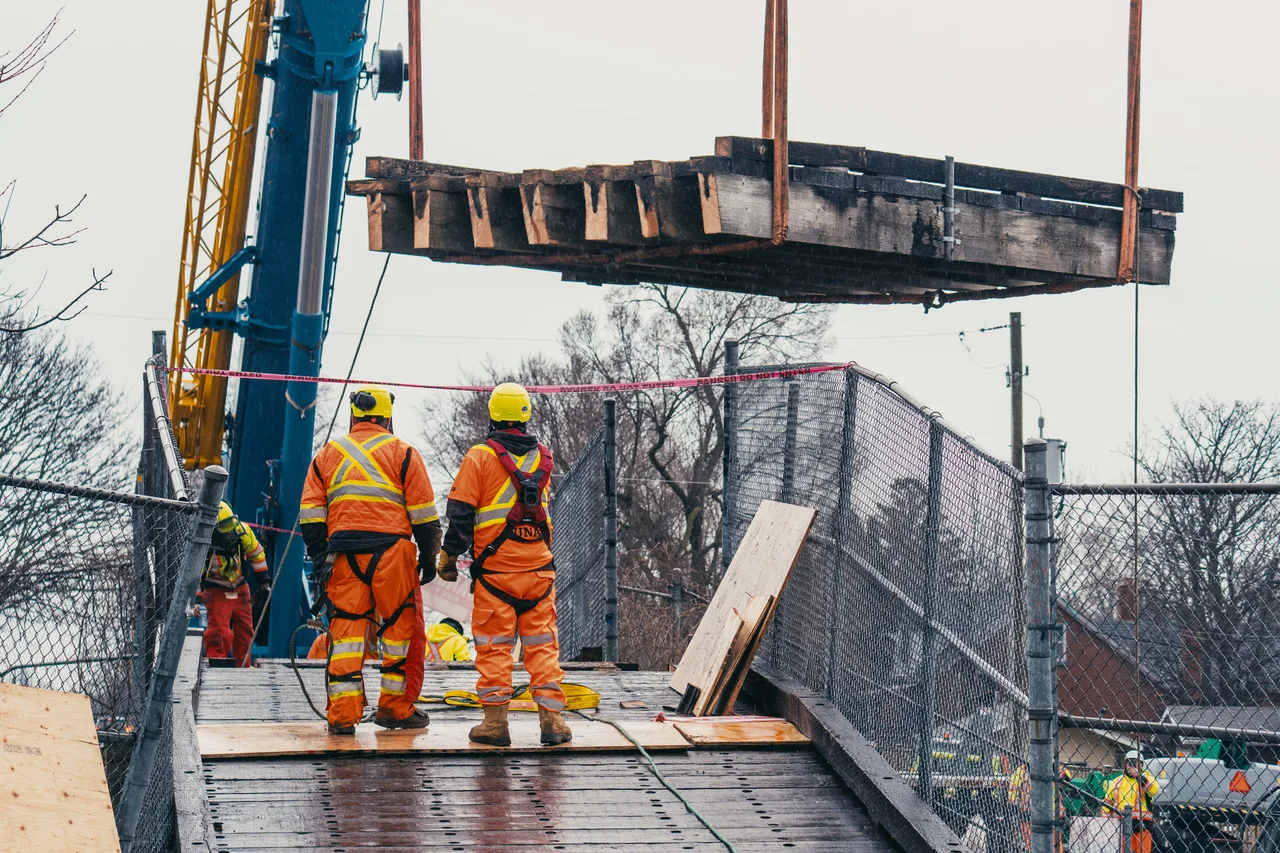
The Lakeshore East extension will bring GO rail service east from Oshawa to Bowmanville. Construction includes 18.7 kilometres of track and new bridges. Metrolinx projects a 15-minute in-vehicle saving over the current bus-to-train journey, with half-hourly peak-direction and hourly off-peak service planned; it is not open yet.
Facts checked
In this story
A shorter journey, with a long argument attached
Bowmanville’s GO train has not arrived, but the argument over its route is making excellent time. The Lakeshore East extension is under construction, promising a station closer to home and, according to Metrolinx, 15 minutes less aboard vehicles on a trip to Union than today’s bus-to-train journey.
That is worth wanting. Fifteen minutes repeated across a working week is time a commuter can actually use. It also explains why people care so fiercely about whether the railway being built is the right one.
Source: Metrolinx Bowmanville Extension
Source: Metrolinx construction notices
Source: Lakeshore East, Bowmanville Extension. Issues & Concerns, Slow trains.
The route has consequences beyond the drawing
The job includes 18.7 kilometres of track, bridges, signals and utility work, with a rail crossing over Highway 401 and changes at Oshawa’s GO/VIA building. A new railway has to fit around roads, existing trains and places passengers already use.
Transit-forum contributors questioned tight curves, diesel operation and future electrification. Others pointed out that an alternative alignment could change costs, VIA connections and development opportunities. A straighter line on a screen is appealing; screens are unusually accommodating about land and infrastructure.
Source: Metrolinx Bowmanville Extension
Source: Metrolinx construction notices
Source: Lakeshore East, Bowmanville Extension. Issues & Concerns, Slow trains.
Two passengers can want different improvements
Someone already taking the bus may focus on the projected travel-time saving. Someone driving to Oshawa could care more about boarding nearer home. A household near a future station may be picturing a walk that never involved a car at all.
Those are different versions of a better commute. The local bus, station entrance and waiting time belong in each, because a faster train cannot give back minutes lost before boarding. The useful comparison begins at the front door, not the platform.
Source: Metrolinx Bowmanville Extension
Source: Metrolinx construction notices
Source: Lakeshore East, Bowmanville Extension. Issues & Concerns, Slow trains.
Frequency turns a promise into a routine
Metrolinx describes half-hourly peak-direction and hourly off-peak service when complete. Those are meaningful commitments, although no opening timetable has been verified. The first departure, transfers and last trip home will decide which routines fit.
A claim that everybody would need to change at Oshawa was challenged in the transport discussion and is not the announced service plan. For a journey now, use the existing schedule. A proposed railway is an excellent future advantage and a rather unreliable way to get home tonight.
Source: Metrolinx Bowmanville Extension
Source: Metrolinx construction notices
Source: Lakeshore East, Bowmanville Extension. Issues & Concerns, Slow trains.
The day the argument becomes a journey
There is room to welcome the extension and question its design. People are being asked to live with the chosen route for much longer than a construction season, so concerns about future upgrades deserve more than a cheerful rendering.
When the detailed timetable appears, compare the full trip with today’s: access, waits, return options and the time left over. The most convincing answer will eventually be wonderfully undramatic. Someone boards near home, gets where they need to go and does it again the next day.
Source: Metrolinx Bowmanville Extension
Source: Metrolinx construction notices
Source: Lakeshore East, Bowmanville Extension. Issues & Concerns, Slow trains.
Source: Lakeshore East, Bowmanville Extension. Issues & Concerns, Slow trains.
Questions people ask
Is the Bowmanville GO extension open?
Not yet. Metrolinx lists the extension as under construction, so use the existing GO bus and rail schedules for travel today.
Source: Metrolinx Bowmanville Extension
Which GO line will the Bowmanville extension join?
It extends GO service east from Oshawa on the Lakeshore East corridor.
Source: Metrolinx Bowmanville Extension
Will the extension cross Highway 401?
Yes. A new rail bridge over Highway 401 is part of the project.
Source: Metrolinx Bowmanville Extension
How much faster could a Union trip be?
Metrolinx projects 15 minutes less in-vehicle time than the bus-to-rail connection.
Source: Metrolinx Bowmanville Extension
Will trains run every 30 minutes?
Metrolinx plans half-hourly service in the peak direction when the extension is complete; the final timetable will set the actual departures.
Source: Metrolinx Bowmanville Extension
What is planned outside the peak?
The project page describes hourly off-peak service. The opening timetable will give passengers the usable departure times.
Source: Metrolinx Bowmanville Extension
How many daily riders does Metrolinx expect on the Bowmanville extension?
Metrolinx forecasts approximately 17,000 daily riders by 2041. That is a future ridership projection, not the current number of passengers.
Source: Metrolinx Bowmanville Extension
How long is the Bowmanville GO rail extension?
Metrolinx’s project overview lists 18.7 kilometres of new track.
Source: Metrolinx Bowmanville Extension
Where can residents follow disruption notices?
Metrolinx publishes Lakeshore East notices, including Bowmanville work.
Source: Metrolinx Bowmanville Extension
Where can I check GO trains and buses serving Bowmanville today?
Use GO Transit’s current trip planner and timetable for the existing service while the extension is being built.
Source: Metrolinx construction notices
Something changed? Tell us about a correction.